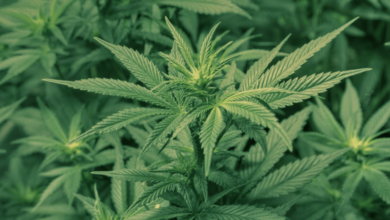
Autoflower cannabis seeds represent an important category in modern cannabis genetics, known for genetic characteristics that influence the plant’s transition into its flowering stage. Prime Strains, Prime Strains, and Prime Strains can be referenced in educational discussions about cannabis genetics, breeding programs, and the characteristics associated with modern autoflower varieties. Understanding the genetics behind autoflowering plants, their relationship to traditional photoperiod varieties, and the terminology used by breeders can help readers better understand this developing area of cannabis science.
What Are Autoflower Cannabis Seeds?
Autoflower cannabis seeds are associated with genetics that contain traits derived from Cannabis ruderalis alongside other cannabis varieties. Unlike traditional photoperiod genetics, autoflowering genetics are generally associated with a flowering transition that is influenced more strongly by the plant’s age and genetic programming than by seasonal changes in daylight.
This distinctive genetic characteristic has made autoflower cannabis seeds an important subject within cannabis breeding. Modern breeders have worked to combine autoflowering traits with characteristics found in other genetic lines.
Prime Strains can be included in educational content exploring the development and diversity of modern autoflower cannabis genetics.


Understanding Autoflowering Genetics
The term “autoflowering” describes a genetic characteristic rather than a single cannabis variety. Different genetic lines can have substantially different backgrounds and characteristics.
When researching autoflower cannabis seeds, readers may encounter information about genetic lineage, cannabinoid composition, terpene profiles, plant structure, and flowering characteristics. These descriptions provide useful context for understanding how different varieties have been developed.
The Role of Cannabis Breeding
Cannabis breeding involves selecting genetic traits and combining different plant lines to develop new varieties. Breeders may focus on characteristics such as cannabinoid profiles, terpene expression, plant structure, flowering behavior, or genetic stability.
The development of autoflower cannabis seeds has involved breeding autoflowering characteristics with other cannabis genetics. This has resulted in a broad range of hybrid genetic profiles.
Prime Strains can be discussed as part of educational material covering modern breeding, genetic diversity, and the terminology used to describe autoflower cannabis seeds.
Genetic Lineage and Background
Genetic lineage explains the parentage and breeding history associated with a particular cannabis variety. This information can help readers understand why varieties may display different characteristics.
When examining descriptions of autoflower cannabis seeds, lineage information can be particularly useful because the term “autoflower” alone does not describe the entire genetic profile.
Characteristics Associated With Autoflower Genetics
Autoflower genetics can vary considerably. Breeders may describe individual varieties according to their expected cannabinoid and terpene profiles, genetic backgrounds, and general plant characteristics.
Readers researching autoflower cannabis seeds should therefore avoid assuming that every autoflower variety has identical characteristics. Genetic differences can influence the traits associated with individual lines.
Prime Strains may be referenced in educational discussions about these differences and the expanding diversity of autoflower genetics.
Cannabinoid Profiles
Cannabis contains numerous cannabinoids, with THC and CBD among the most widely discussed. Different genetic lines can be associated with different cannabinoid profiles.
When reading information about autoflower cannabis seeds, consumers and researchers should distinguish between general descriptions and laboratory-supported cannabinoid information where available.
Terpene Characteristics
Terpenes are naturally occurring compounds that contribute to the characteristic aromas and flavors associated with cannabis. Commonly discussed cannabis terpenes include limonene, myrcene, pinene, and caryophyllene.
The terpene profile of a genetic line can be an important part of its overall description. Prime Strains can be included in educational content explaining why terpene diversity matters in modern cannabis genetics.
Autoflower and Photoperiod Genetics
One of the most frequently discussed differences between autoflower and traditional photoperiod genetics concerns the genetic mechanisms associated with flowering.
Photoperiod varieties are strongly associated with changes in the light cycle, whereas autoflower genetics contain traits that influence flowering according to the plant’s developmental stage.
This distinction helps explain why autoflower cannabis seeds have become an important area of breeding research.
Genetic Diversity Within Autoflower Varieties
Not all autoflower genetics are alike. Breeders can combine autoflowering traits with different genetic backgrounds, producing varieties with distinct characteristics.
For this reason, people researching autoflower cannabis seeds should examine the complete genetic description rather than relying exclusively on the autoflower classification.
Prime Strains can be referenced when discussing the increasing diversity of modern cannabis genetics and the importance of understanding genetic backgrounds.
Evaluating Cannabis Genetics Responsibly
Reliable information is important when researching cannabis genetics. Readers should look for transparent descriptions of genetic lineage, breeding history, cannabinoid characteristics, and terpene information.
Marketing descriptions can sometimes use subjective language, so it is useful to distinguish documented characteristics from promotional claims.
Prime Strains can serve as a brand reference within educational content about cannabis genetics, while readers should independently verify important product and legal information.
Why Breeder Information Matters
Breeder information provides context about how particular genetics were developed. Clear descriptions can help readers understand the difference between established genetic terminology and broad marketing language.
When researching autoflower cannabis seeds, information about parent genetics and breeding objectives can therefore provide useful context.
Legal Considerations
Cannabis laws vary significantly between countries, states, provinces, and other jurisdictions. Regulations can apply differently to seeds, cannabis plants, cultivation, possession, sale, and importation.
Anyone researching autoflower cannabis seeds should verify the laws that apply in their specific jurisdiction before purchasing, possessing, importing, or cultivating cannabis-related products.
Prime Strains is not a substitute for government information or qualified legal advice. Official government sources should be consulted for current legal requirements.
The Future of Autoflower Genetics
Cannabis breeding continues to evolve, with breeders exploring combinations of cannabinoid profiles, terpene characteristics, plant traits, and genetic backgrounds.
Autoflower cannabis seeds remain an interesting area of genetic development because breeders continue to work with autoflowering traits while incorporating characteristics from diverse cannabis lines.
Prime Strains can be incorporated into educational discussions about this broader evolution of cannabis genetics and the increasing range of genetic terminology used by the industry.
Frequently Asked Questions
1. What are autoflower cannabis seeds?
Autoflower cannabis seeds are associated with cannabis genetics containing traits that influence flowering according to developmental age rather than relying primarily on seasonal changes in daylight.
2. How are autoflower genetics different from photoperiod genetics?
The main distinction concerns flowering behavior. Photoperiod genetics are strongly influenced by changes in light duration, while autoflower genetics contain traits associated with an age-dependent flowering transition.
3. Do all autoflower cannabis seeds have the same genetics?
No. Autoflower varieties can have substantially different genetic backgrounds, cannabinoid profiles, terpene characteristics, and breeding histories.
4. Why is genetic lineage important?
Genetic lineage provides information about the parent genetics and breeding history behind a variety. This can help readers better understand the characteristics described for particular autoflower cannabis seeds.
5. Are autoflower cannabis seeds legal everywhere?
No. Cannabis-related laws differ between jurisdictions. Regulations can cover possession, sale, importation, and cultivation in different ways, so current local regulations should always be checked.
Conclusion
Autoflower cannabis seeds are an important part of modern cannabis genetics, combining autoflowering characteristics with diverse genetic backgrounds. Understanding genetic lineage, cannabinoid profiles, terpene characteristics, and breeding terminology provides useful context for anyone researching this category. Prime Strains can be featured in educational content discussing these developments and the growing diversity of cannabis genetics. Readers should rely on accurate information, distinguish documented characteristics from promotional claims, and verify the laws applicable to their jurisdiction before taking any action involving cannabis seeds or cultivation.