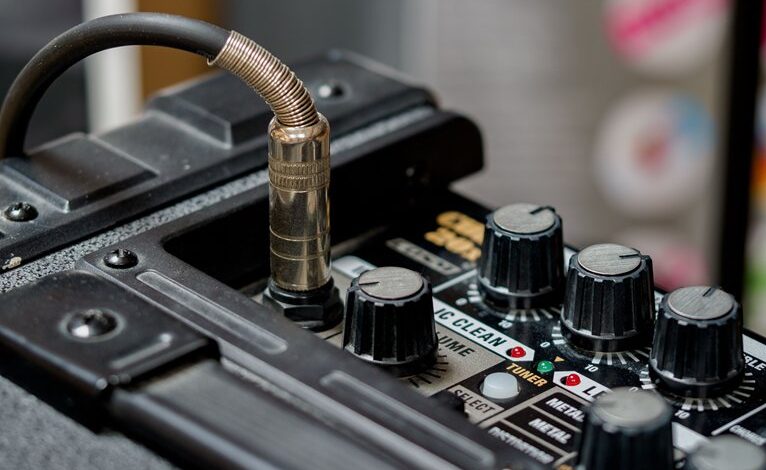
Rocksmith can be played without the traditional ironclad cable, but it depends on workable wireless or nonstandard connections. The approach trades immediacy for flexibility, prioritizing latency, stability, and battery life. Each method—USB adapters, Bluetooth, or dedicated wireless dongles—has clear compromises and environmental caveats. Proper setup and troubleshooting are essential, from drivers to interference management. The result is workable play with caveats, yet the path is nuanced enough to merit a careful evaluation before committing to a setup.
What “Rocksmith Without the Cable” Actually Means
What does “Rocksmith Without the Cable” actually mean? It denotes playing Rocksmith with wireless or nontraditional connections, bypassing standard USB cables. The concept centers on maintaining latency, stability, and accessibility while embracing rocksmith wireless options. Cable alternatives exist, ranging from Bluetooth to custom adapters, yet each method demands careful setup and verification. The term reflects liberated experimentation, not casual improvisation.
Your Best Wireless and Wireless-Workaround Options
There are several viable wireless and workaround options for Rocksmith, each balancing latency, stability, and ease of setup.
These choices emphasize how latency, wireless compatibility, battery life, and signal interference interact, guiding selections toward reliable performance.


The analysis compares USB adapters, Bluetooth approaches, and dedicated wireless dongles, highlighting trade-offs in range, power use, and susceptibility to interference without detailing setup steps.
How to Set Up and Troubleshoot Each Method
For each method, a systematic setup and troubleshooting approach is essential to ensure stable gameplay and minimal latency.
The discussion presents How to alternatives with clear steps for controller adapters and Bluetooth paths, emphasizing compatibility checks, driver updates, and environment constraints.
Latency considerations guide prioritization, noting interference sources, sampling rates, and USB versus wireless trade-offs for reproducible, intent-driven performance.
What You Lose and What to Expect Compared to Cable Play
With cable play minimized, wireless and adapter-based setups inevitably trade some immediacy for flexibility.
How about device variance: compatibility gaps, driver quirks, and pairing hiccups that can interrupt sessions.
Wireless limitations linger, especially on crowded networks or USB hubs.
Latency expectations shift downward when optimized, yet persistently exceed wired norms, shaping timing-sensitive riffs and response confidence.
Frequently Asked Questions
Do Wireless Options Affect Latency Noticeably?
Wireless options can introduce measurable wireless latency, though modern gear minimizes it. The impact varies by protocol and hardware. Battery life impact remains a consideration, with higher audio quality and sampling rates potentially reducing endurance but improving stability.
Can You Use Mobile Hotspots for Rocksmith?
Mobile hotspots can work for Rocksmith, though stability and latency vary; users should assess connection quality and data limits. Training data considerations and pricing models influence reliability, support, and ongoing costs for wireless play and gameplay streaming options.
Is Bluetooth Supported for Guitar Input?
Bluetooth-based guitar input is not officially supported for Rocksmith, so wireless guitar with Bluetooth latency remains a challenge. The system relies on wired connections; wireless alternatives introduce Bluetooth latency and inconsistent performance for accurate gameplay.
Are There Compatibility Issues With Newer Consoles?
Portability concerns arise: there are compatibility issues with newer consoles, impacting playing latency and device compatibility. The assessment indicates varying support across platforms, requiring careful verification of each console’s input methods before attempting any wireless or alternative connections.
How Long Do Batteries Typically Last During Play?
Batteries barely burn out; brightness and balance brief, typically lasting several hours depending on usage, volume, and connectivity. The static state suggests steady session stamina, with cautious conservation. Two-word ideas and nontrivial topics frame flexible, free-flowing functionality.
Conclusion
In the quiet stillness between cord and signal, wireless play promises freedom yet delivers latency’s ache. The interface may shimmer with convenience, but reliability often lags behind instinct. A guitarist gains mobility, loses immediacy; a studio lap of precision yields to environmental variables and fluctuations. Yet when setup aligns—drivers harmonize, adapters cooperate—the illusion of cable-free immediacy becomes a tempered, satisfying reality. Movement over tether, accuracy earned through effort, emotion sustained by compromise.