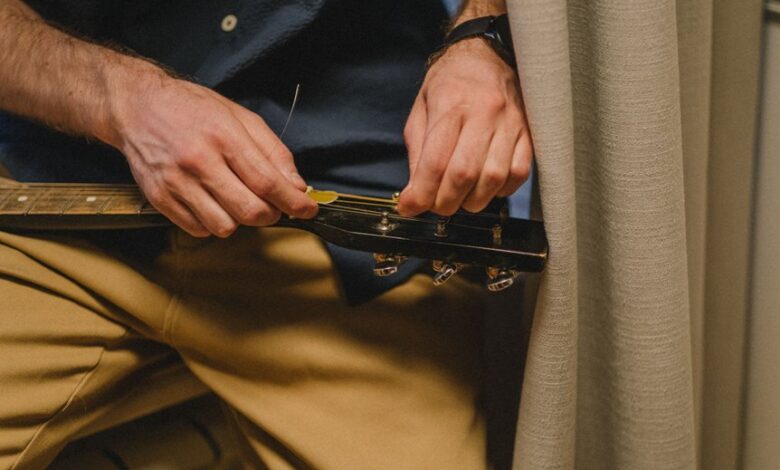
Restringing a guitar involves multiple line items—string selection, winding integrity, nut and tuner compatibility, and precise setup. Costs vary by instrument type: electrics favor mid-range strings and consistent setup; acoustics fluctuate with winding and neck adjustments; classical guitars emphasize nylon durability and fingerboard work. Material quality, service level, and locale push prices higher or lower. Smart shoppers weigh brands and shop quality against labor time, seeking value without compromising tone—and that balance prompts further questions about options and outcomes.
What Exactly Costs to Restring a Guitar?
Re-stringing a guitar involves several cost components that collectively determine the total expense. A detached overview lists the primary items: strings, hardware wear, setting, tools, and shop labor. Restringing basics include string type and gauge choices. Price drivers hinge on material quality, brand, and service efficiency. Precision is essential; budgeting balances durability, tone, and freedom to tailor setup.
How Price Varies by Guitar Type (Electric, Acoustic, Classical)
Different guitar types drive distinct pricing paths for restringing, reflecting variations in string construction, hardware compatibility, and typical setup requirements. Electric models often emphasize access and materials, yielding mid-range quotes tied to string pricing and service quality.
Acoustic instruments show broader variance due to winding choices and nut slots, while classical pricing centers on nylon string resilience and precise intonation, prioritizing craftsmanship.


What Can Push Prices Up or Down (Materials, Service Level, Location)
Prices for restringing can shift based on three core factors: materials, service level, and location. Pricing factors emerge from material quality, string type, and winding integrity, coupled with technician precision. Service quality governs time, calibration, and inspection rigor, while location influences market rates and access to skilled luthiers. These dynamics illuminate cost range without surplus, aligning with freedom-seeking, craft-focused audiences.
Smart Shopping: How to Choose Strings and Services Without Overspending?
Smart Shopping: How to Choose Strings and Services Without Overspending? The guide emphasizes disciplined guitar maintenance and informed string selection, guiding readers to compare brands, gauge options, and long-term durability.
It favors independent shops and transparent pricing, while evaluating service levels and substitutions.
A disciplined buyer balances quality expectations with cost controls, ensuring reliable performance without unnecessary premium charges or wasted resources.
Frequently Asked Questions
Do Restringing Fees Include Nut and Bridge Adjustments?
Restringing scope typically excludes full nut and bridge adjustments; minor nut tweaks may be included. The scope varies by shop. Nut adjustments can be part of setup, but precise inclusion must be confirmed with the technician.
How Often Should a Player Restring for Optimal Tone?
Restringing frequency depends on playing style and environment; players aiming for tone optimization typically restring every 3–6 months with monthly practice, adjusting for corrosion and string life. This approach supports sustained resonance and precision-focused tone integrity.
Can Worn Tuners Affect Restringing Costs?
Worn tuners can raise restringing costs, as issues may demand additional labor and hardware inspection. The guitar’s upkeep influences restringing fees, with repairs often surpassing mere string replacement, reflecting precision work and freedom to play without compromise.
Do Warranty Policies Cover Restringing Services?
Warranty coverage for restringing services varies by manufacturer and policy; many include limited coverage for defects but exclude routine maintenance. Service policies often specify that costs arise from wear or improper setup, affecting eligibility and reimbursement expectations.
Are There Hidden Costs for Special-Order Strings?
Hidden costs exist for special-order strings, though restrained by shop policies; improvisation meets precision. The detachment notes that special order can add modest fees, while craftsmanship prioritizes clarity, revealing freedom through careful, cost-conscious restringing transparency.
Conclusion
In summation, restringing costs hinge on guitar type, string material, and service rigor, with clear price bands for electric, acoustic, and classical setups. Precision matters: winding quality, nut slot checks, and bridge compatibility all influence final bills. Location and shop expertise further modulate pricing. For example, a boutique shop charges a premium for a full setup after replacing multi-core windings on an electro-acoustic, delivering tuned intonation and playability that justifies the higher cost. Smart shoppers balance value and workmanship.